 邁向五十週年TOWARD FIFTY
 Fibre architecture
Thinner, more even
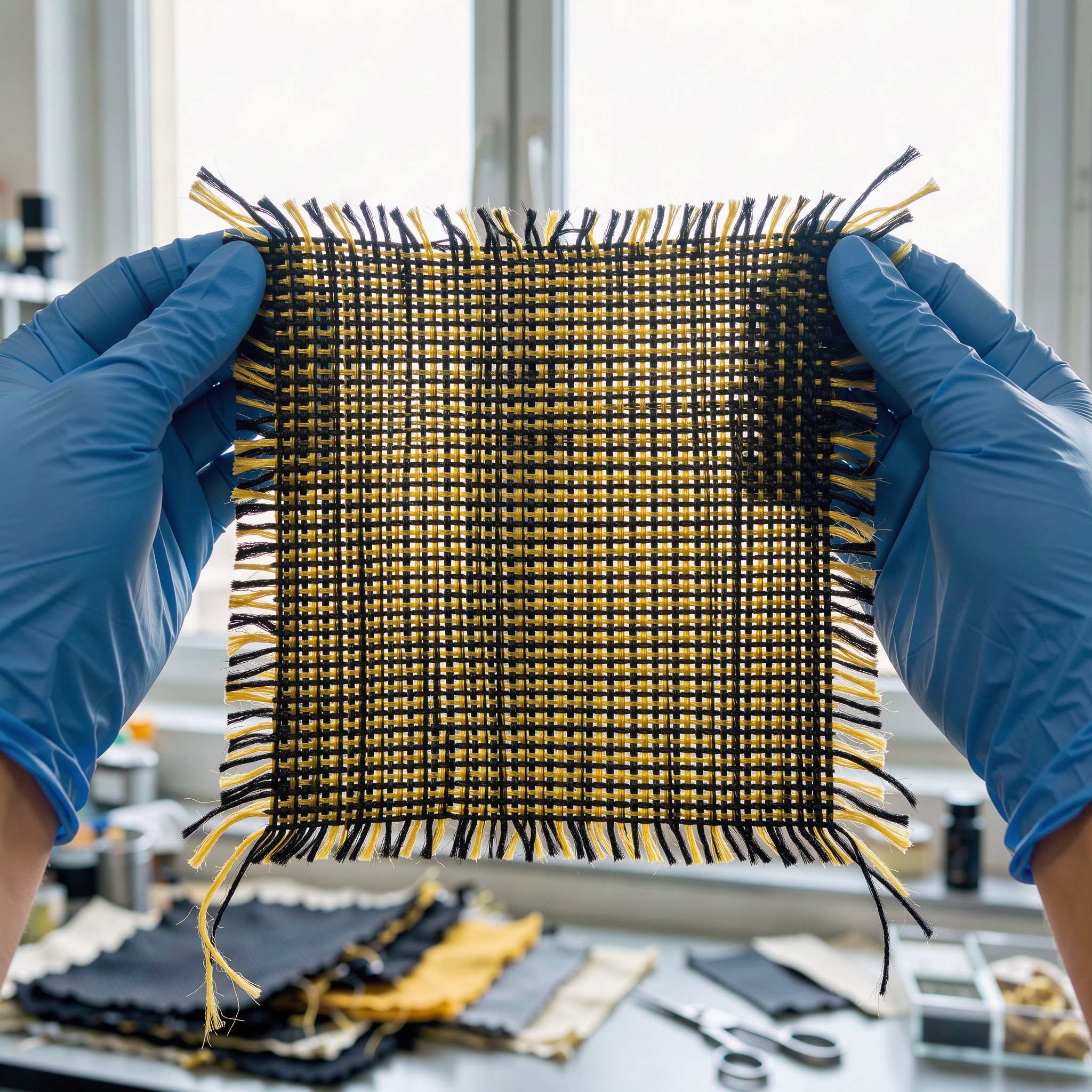
Electrostatic dispersion spreads carbon tows thin before they are woven into spread-tow fabric. With hybrid fabrics and braided sleeves, fibre layout becomes a design parameter.
Research & future lab
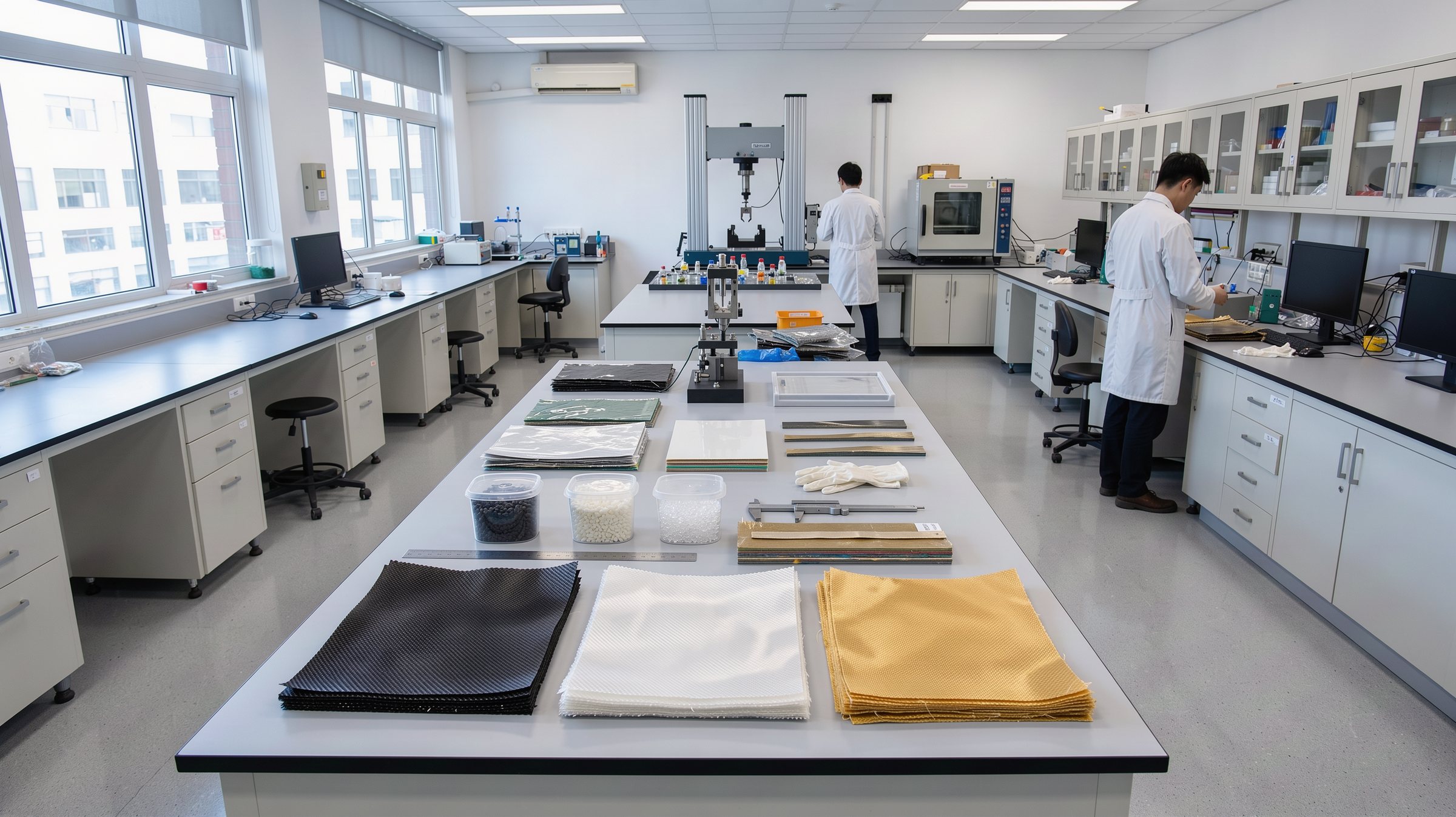
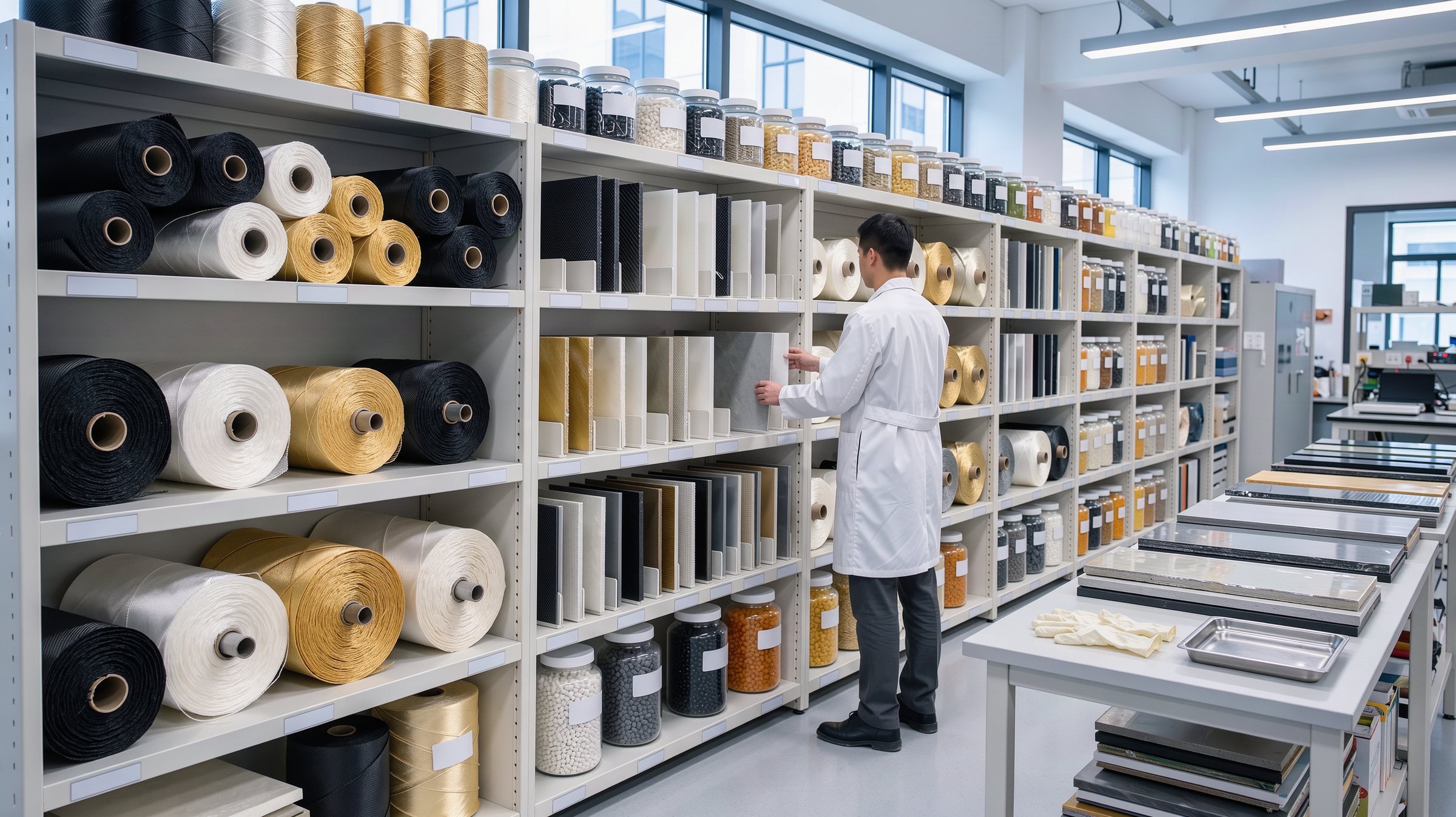
Researching the next generation of composites. From fibre and resin to moulding and validation, we turn future materials, applications and processes into a sample you can measure.
TEi Lab is how TEi’s materials, structures and process teams do research together. We look ahead, then come back to a sample that can be made and verified.
Scroll through the five sampling steps. Each one is a research variable we can adjust.
Built on technologies TEi already supplies and keeps developing, moving towards thinner, faster-moulding and more circular materials.
Fibre architectureElectrostatic dispersion spreads carbon tows thin before they are woven into spread-tow fabric. With hybrid fabrics and braided sleeves, fibre layout becomes a design parameter.
 Thermoplastic
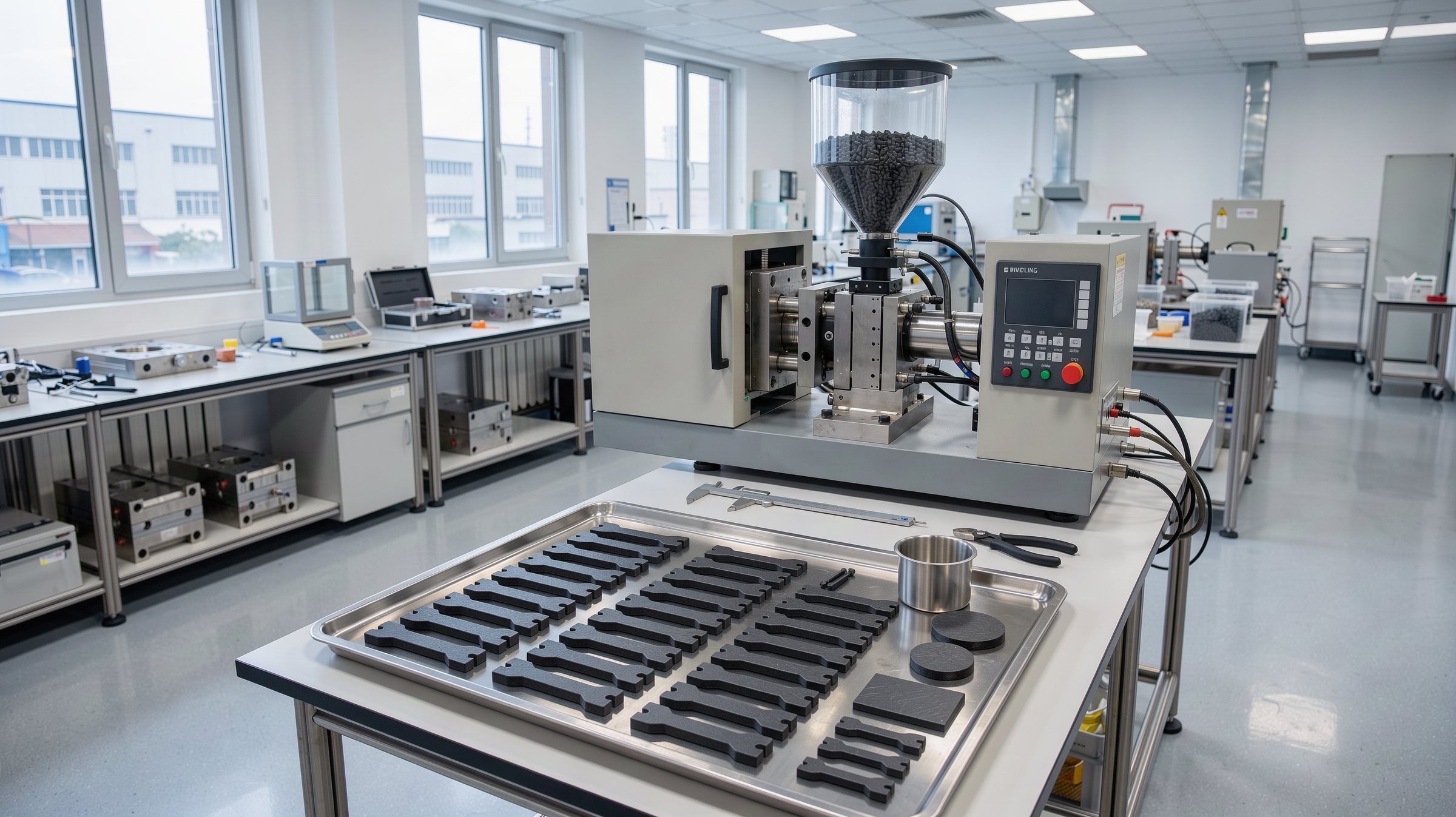
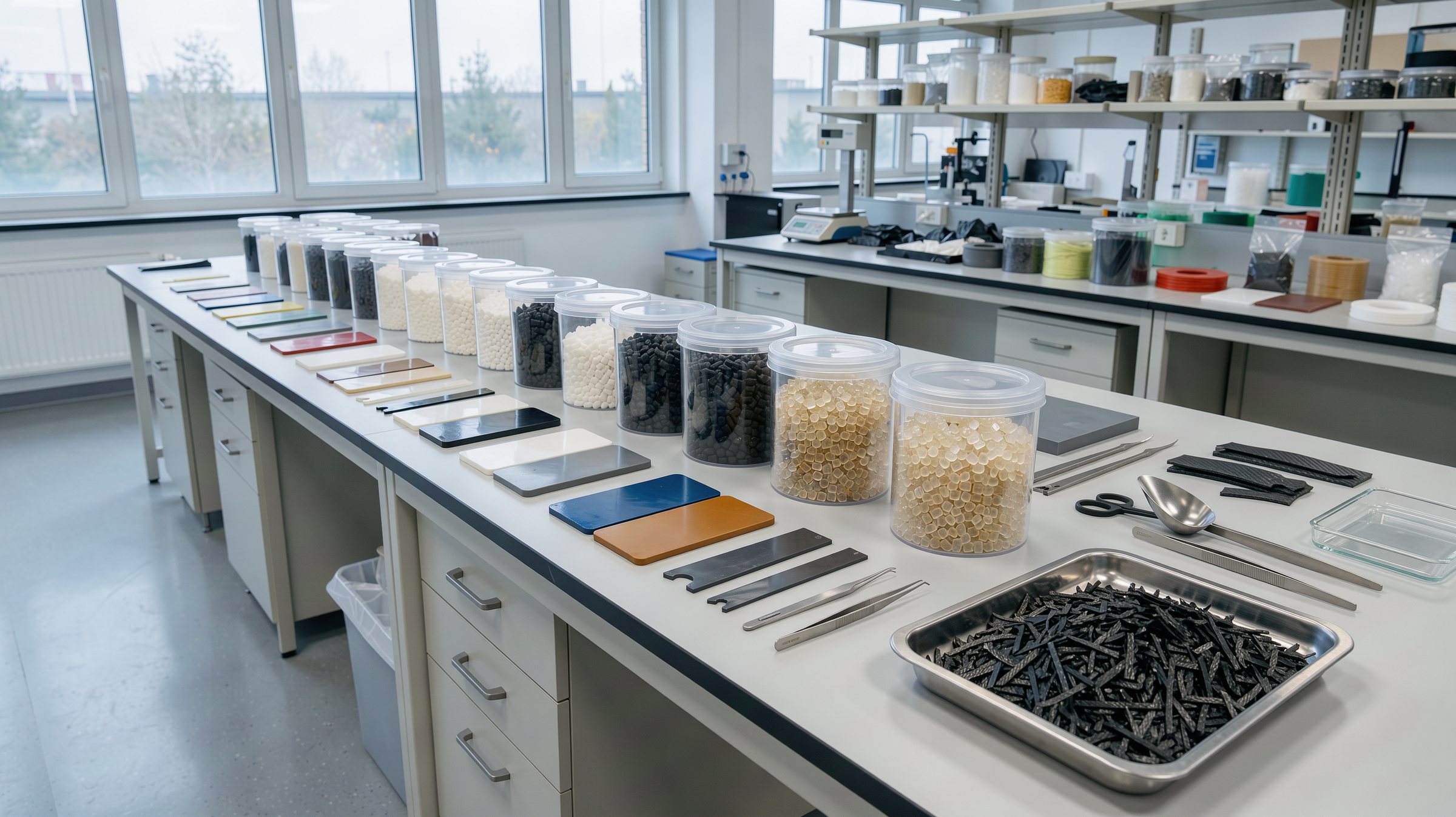
Comtrix™ commingles carbon and thermoplastic fibres in one yarn, with no prepregging and no cold storage. MAXPOLY™ is self-reinforced polypropylene: light and recyclable.
 Circular
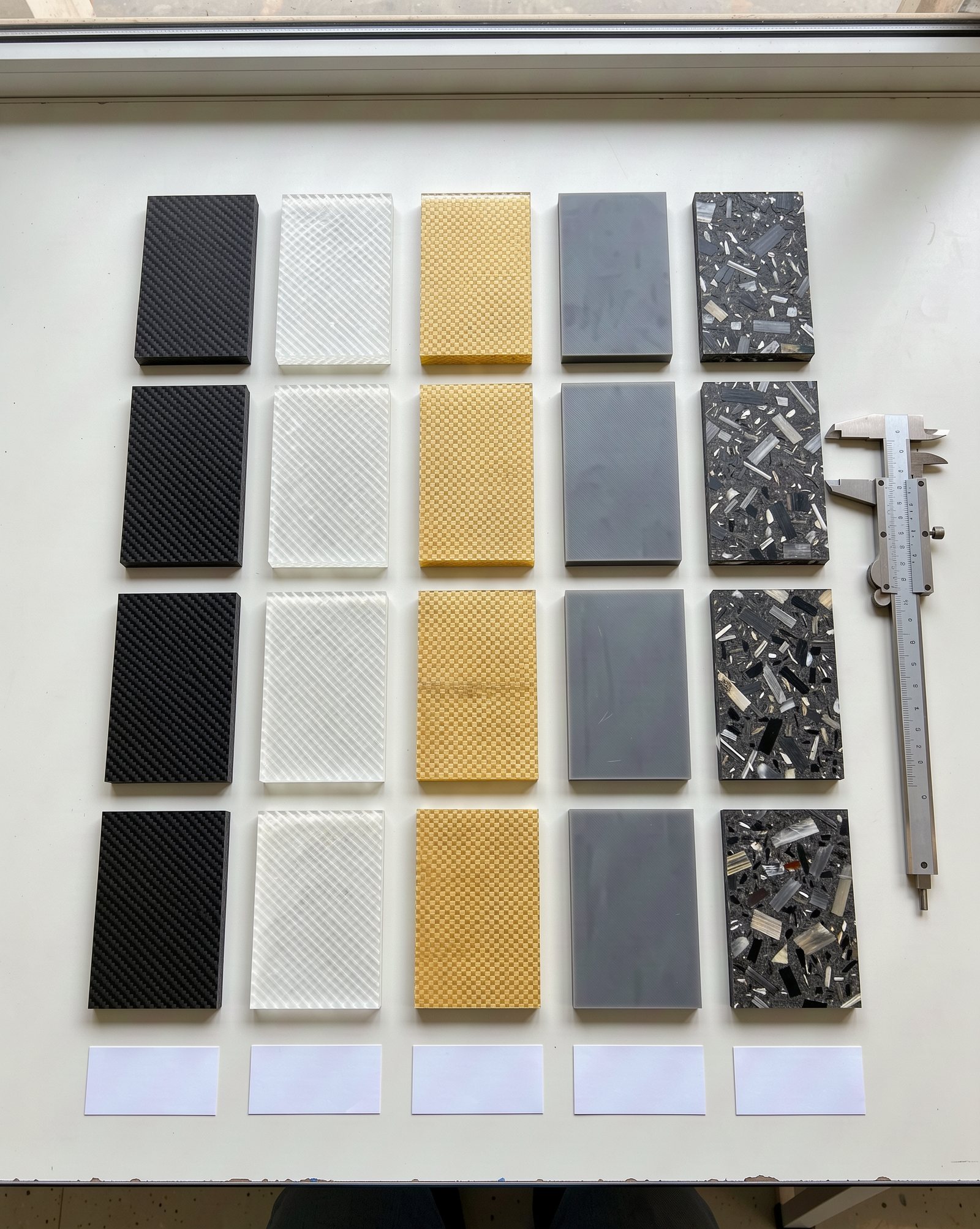
Carbion™ compression-moulds carbon fibre offcuts into recycled forged carbon. CfC™ chopped carbon fibre reinforces engineering plastics, bringing scrap back into products.
 Structure & surface
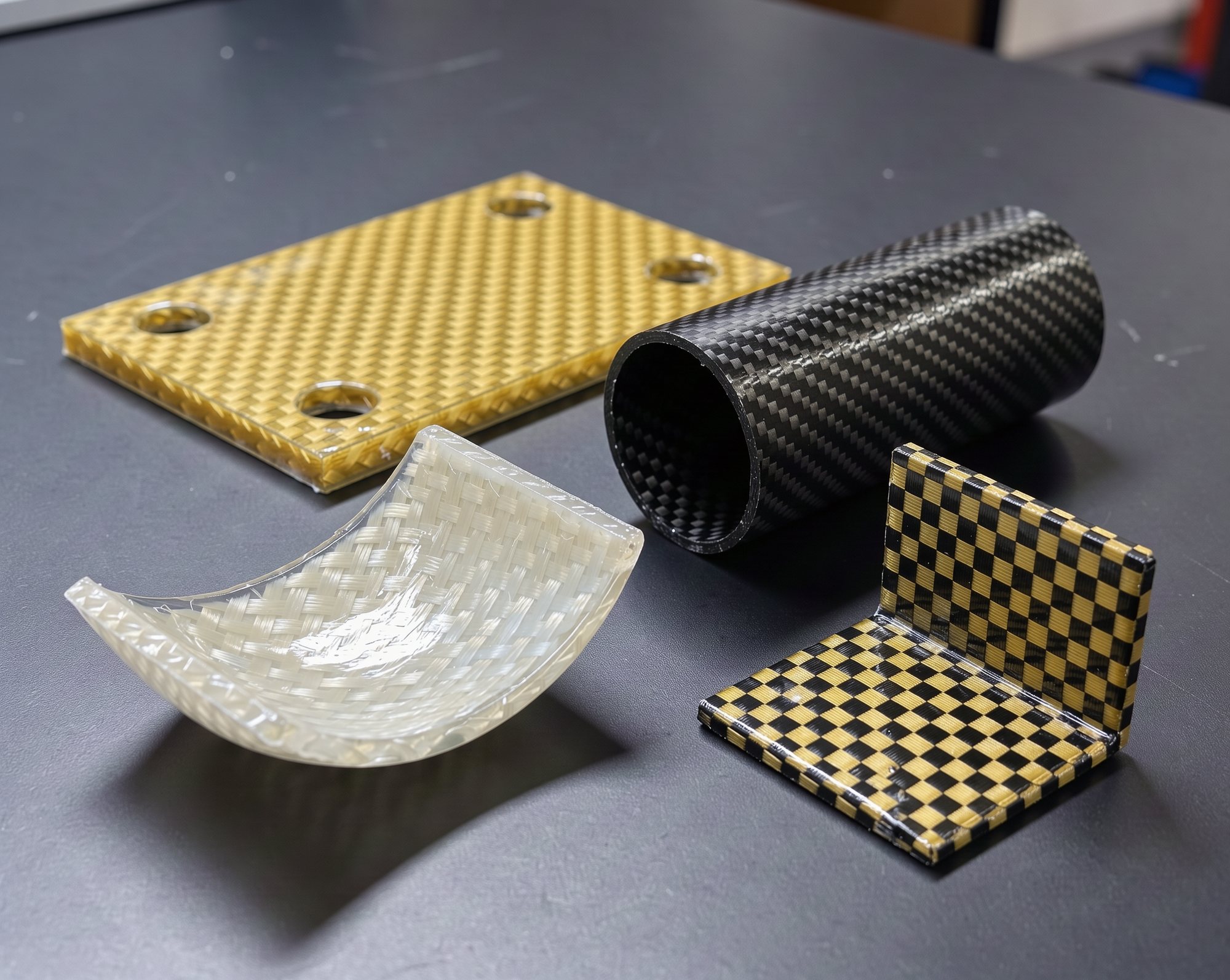
LamiCell™ honeycomb-core prepreg saves weight and raises bending stiffness. Dreamtex™ is coloured after weaving: the colour sits on the surface and the weave stays clearly visible.
Directions TEi is working on and can help you develop. We start from your question, not from a catalogue.
Lighter structures and interiors for vehicles, boats and aircraft, evaluating rapid thermoplastic moulding, honeycomb cores and recycled forged carbon.
Thin housings and precision mechanical parts, combining spread-tow fabric, chopped carbon fibre and HIM™ micro injection moulding.
Light, stiff structures for prosthetic feet, braces and assistive devices, with material and layup designed together.
Carbon fibre fabric to strengthen beams, columns and slabs, and durable, lightweight structural parts for energy equipment.
Rackets, bicycle frames, shafts and water-sports gear, balancing stiffness, feel and appearance.
Furniture, fashion and décor, where carbon weave, colour and recycled patterns become a design language.
More than materials: we connect processes, simulation and pilot production into one path.
 Process
Prepreg, resin transfer moulding, compression moulding, rapid thermoset and thermoplastic processing, fibre placement and micro injection moulding, combined by part and volume.
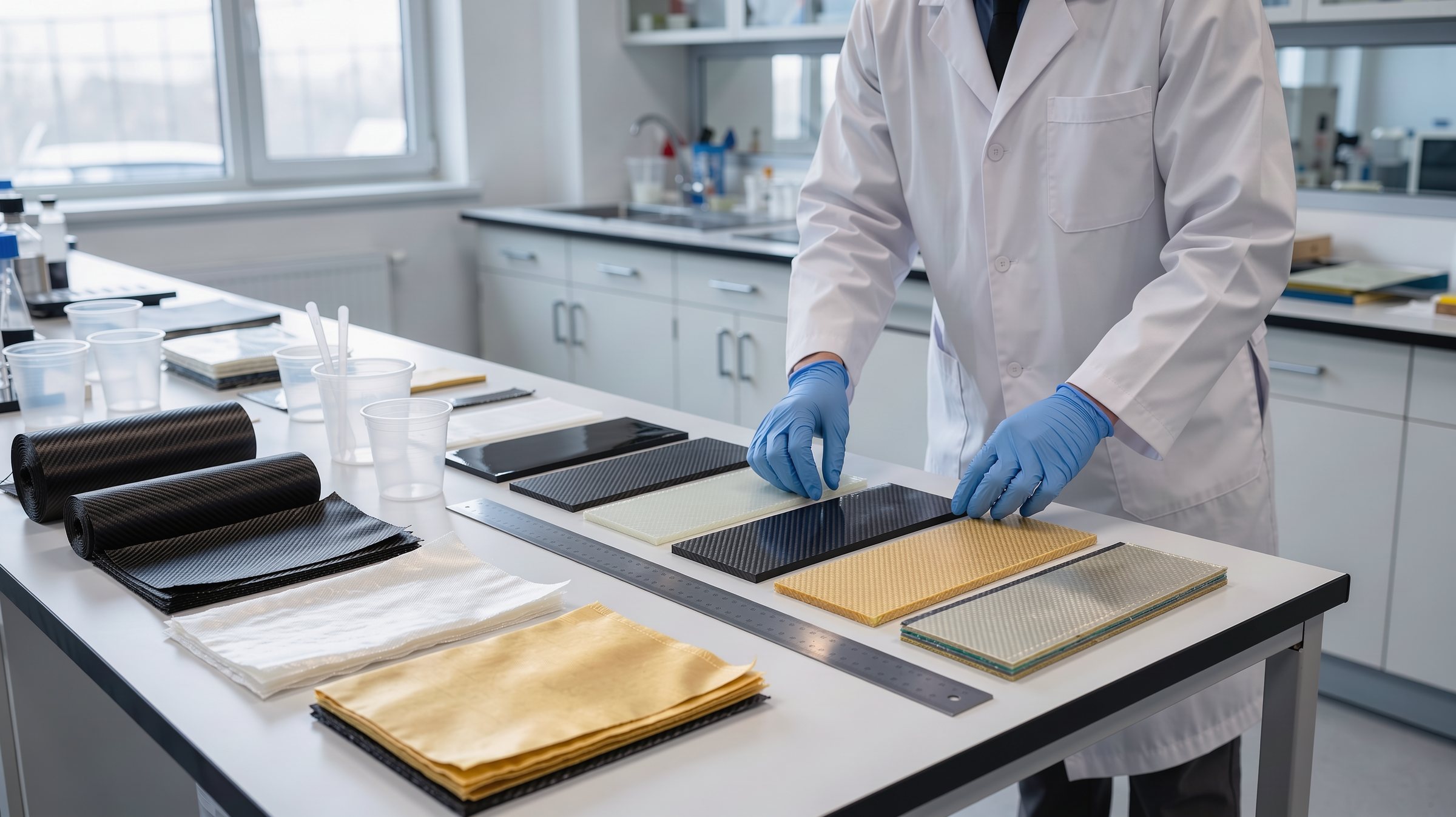 Simulation
Before sampling, see on screen how fibres spread, how resin flows and along which path fibres are placed.
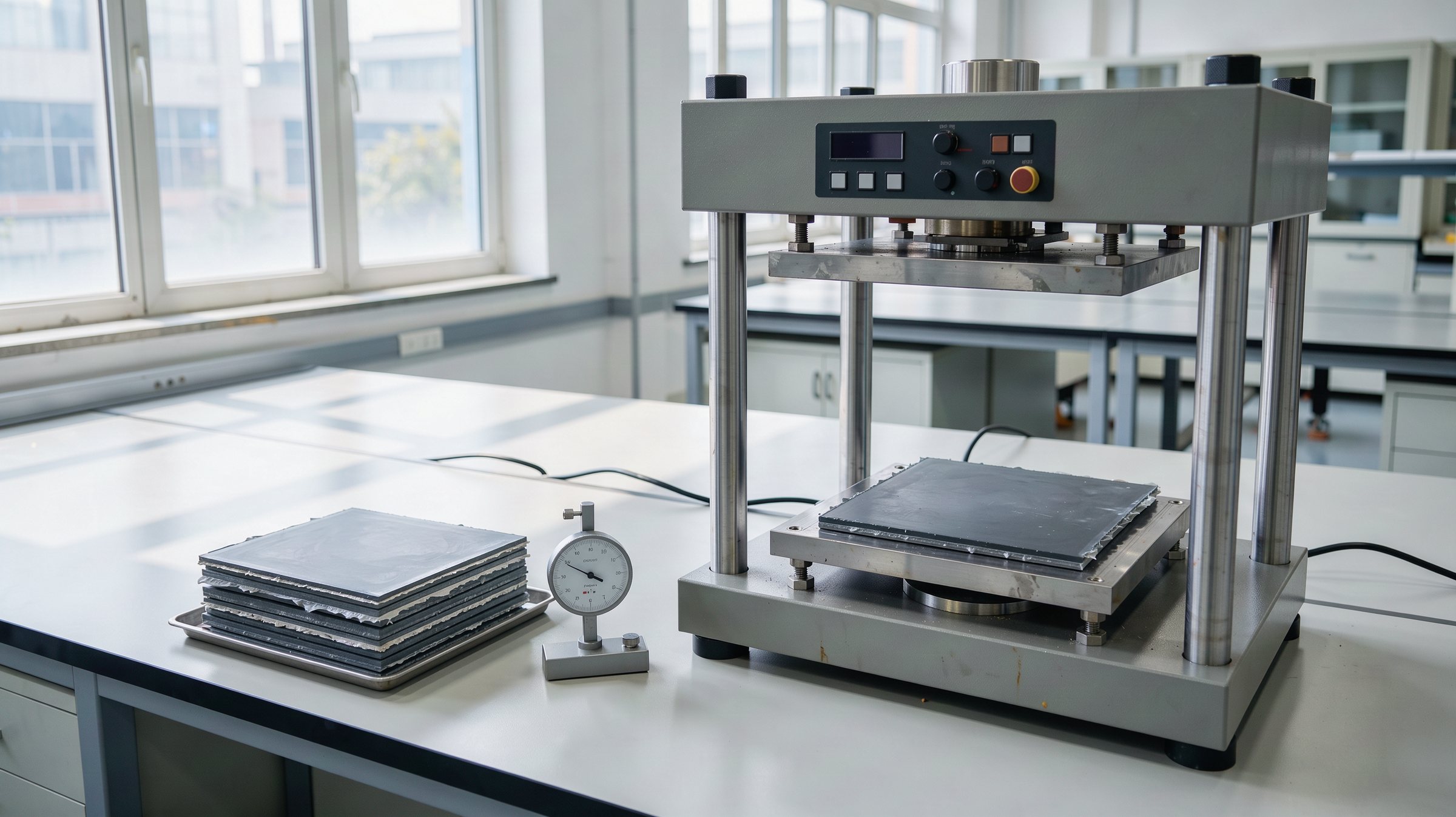 Pilot
Samples, pilot batches and production under one quality system and one contact, with no hand-over of materials or processes midway.
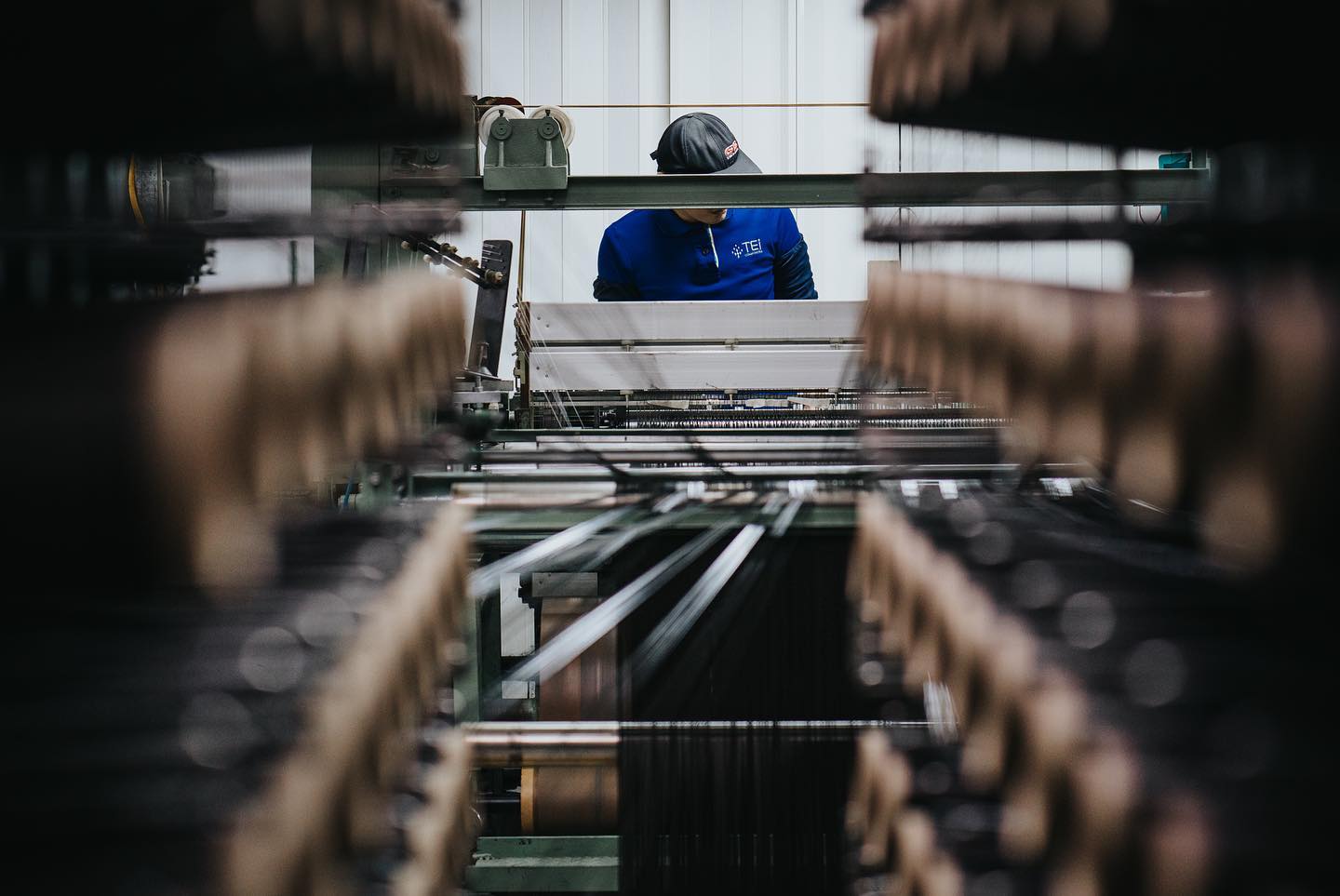 Incubation
A material idea becomes a product we can supply only after pilot runs, yield and cost have been validated.
Every material decision comes back to data. Test items and standards are defined together, based on your specification and application.
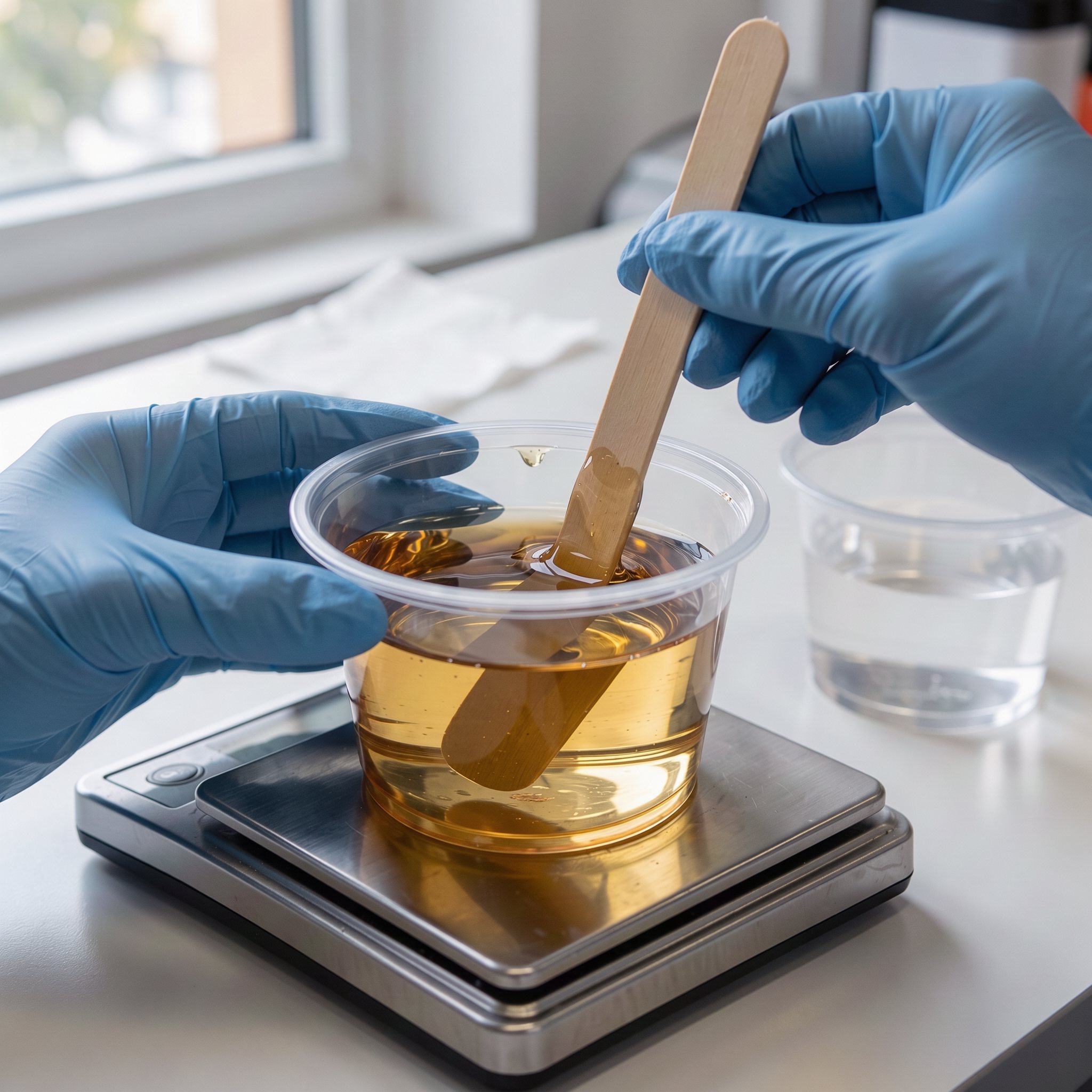
Tensile, flexural, compression and interlaminar shear, arranged as required.
Damage and failure modes after impact, read to understand how a material behaves in real use.
Thickness, weight, fibre content and voids, as well as surface, pattern and colour difference.
Changes under temperature, humidity and long-term use, arranged by application.
We first assess material compatibility, process fit and production feasibility, then decide on samples or a small pilot run.
Discuss your ideaCome with targets for weight, stiffness, appearance or cycle time, and we narrow down materials, process and tests together.
Discuss a projectFrom materials and applications to process and validation, evaluate it with TEi Lab.
See our process technology